
Cambridge United’s fitness team is warning amateur players against the classic 5km run as match prep. Laurence Bloom, the club’s executive performance lead, says steady-state jogs miss the stop-start demands of League Two football-and has shared the drills his players use instead.
League standing: 3rd in League Two, 82 pts, 22W-16D-8L from 46 games, recent form DWLDW. Goals this season: 66 scored, 33 conceded (+33 goal difference). Title race: 5 points behind leaders Bromley. Last result: Crewe 0-0 Cambridge United (2026-05-02). Recent form (last 5): 2W-2D-1L (DDWWL, most recent first).
Why a 5km run won’t cut it for League Two
Most weekend players lace up for a flat 5km and call it a day. Bloom says that misses how League Two football actually moves. “A player covers roughly 10 to 12km per game,” he says. “If you do that distance once per week as a continuous, steady-state run, you’d probably think that was pretty comfortable.” But a match is bursts of speed, sharp decelerations, and constant changes of direction-none of which a flat jog prepares you for.
Cambridge United’s GPS vests show central midfielders hit 120-130 metres per minute, while centre-halves sit closer to 100-110m/min. That positional split shapes every conditioning session. “We push the players on things they’re specifically exposed to,” Bloom adds.
The drills Bloom swears by at Cambridge United
Bloom’s toolkit is built for short, sharp efforts. One staple is repeated 20m sprints with a 30-second walk-back recovery. Another is shuttle runs that force players to decelerate and re-accelerate inside 10 seconds. The club’s data shows League Two players bank 800-1,200m of high-speed running (above 19.8km/h) per game, plus 40-60 sprints over 25km/h. Those numbers demand drills that mimic the load, not just the distance.
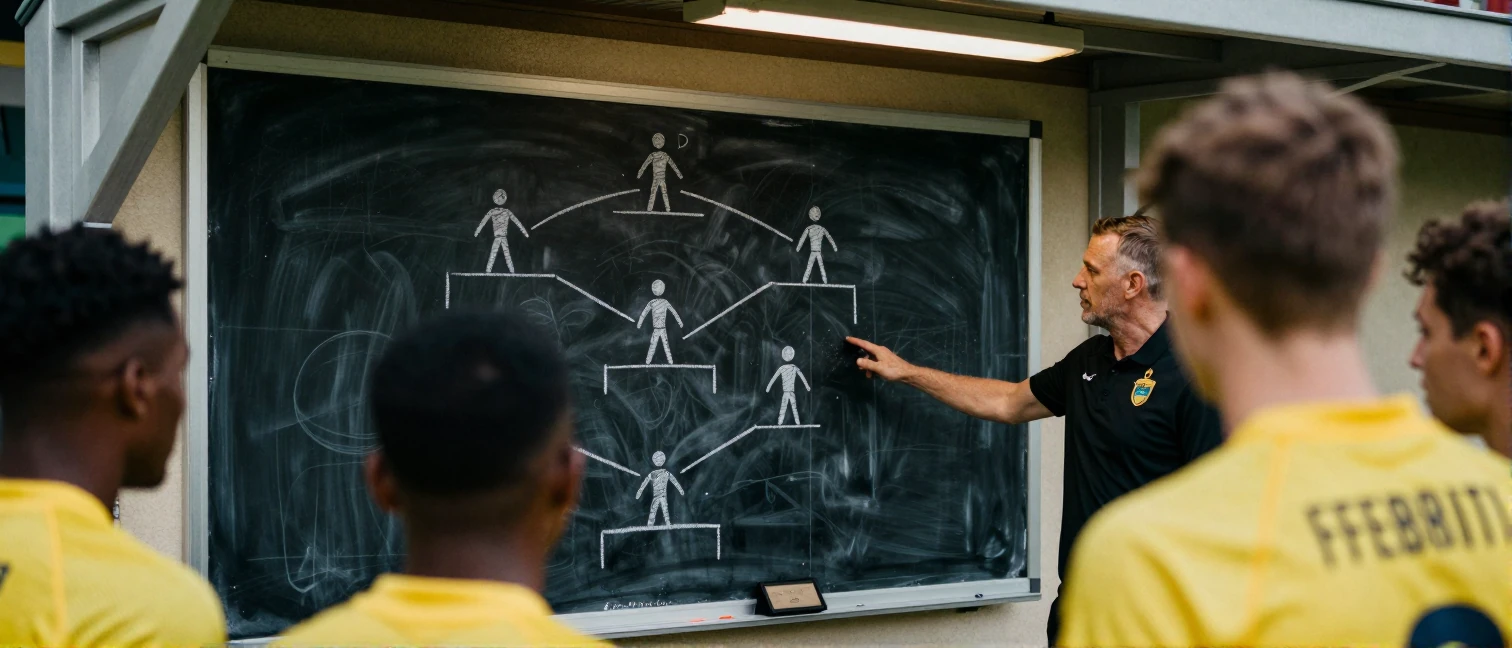
The club splits players into groups after pre-season tests. Each group gets drills matched to their positional demands and fitness levels. “In League Two and League One, you’re looking at a maximum of 60 minutes of ball-in-play time,” Bloom notes. “Fifteen to twenty per cent of a player’s distance is walking-that’s recovery.”
How this helps Cambridge United’s title push
Cambridge United sit five points off Bromley with 66 goals scored and a +33 goal difference. Every extra metre of high-speed running a player can tolerate without fatigue could swing a tight League Two contest. Bloom’s methods aim to cut muscle soreness and soft-tissue strain that often derail late-season form.
The club’s recent run reads DDWWL across the last five games. Keeping players fresh for those final 20 minutes could decide whether Cambridge United close the gap on Bromley-or hold off a late charge from Wrexham or Notts County.
Can you copy these drills at home?
Bloom insists the same principles apply beyond the Abbey Stadium. “You don’t need a GPS vest to feel the difference,” he says. Start with 8-10 x 30m sprints, 30 seconds rest, twice a week. Swap one steady 5km for a session of short, sharp efforts and you’ll feel-and see-the change when you step onto the pitch.