In the ever-competitive realm of League Two, Cambridge United has shown glimpses of promise but has struggled to find consistent form. Recent matches have highlighted both strengths and weaknesses in their game, necessitating a closer look at tactical adjustments that could enhance their performance as the season progresses.
Current Tactical Landscape
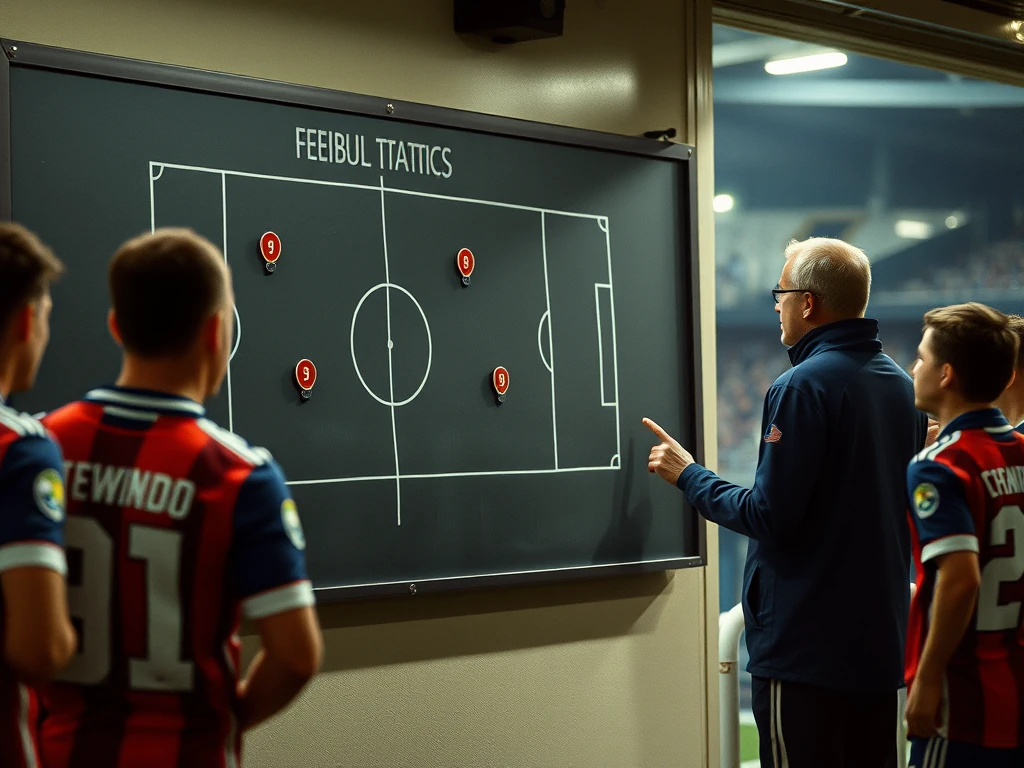
Cambridge United's formation has predominantly been a 4-2-3-1 setup, which allows for a balanced approach between defence and attack. However, in recent weeks, this formation has at times been too rigid, particularly when facing teams that press aggressively. The midfield duo, while solid, has occasionally lacked dynamism, leading to a disconnect between defence and attack. This has often left the U's vulnerable in transitions, with opponents exploiting the spaces in between the lines.
Suggested Tweaks
1. Fluidity in Midfield: One of the primary tweaks should be to encourage more fluidity among the midfielders. Instead of a static two-man pivot, introducing a more dynamic midfield three could provide better support for both the defence and the attack. This could be achieved by allowing one of the central midfielders to push higher during phases of possession, effectively turning the formation into a 4-3-3. This would not only enhance ball retention but also provide more options for through balls and creative play.
2. Wing Play Enhancement: The U's have often relied on wing play to stretch opponents, but the effectiveness of this strategy has waned due to predictability. Encouraging full-backs to overlap more frequently and providing wingers with the license to cut inside could create more space and opportunities for the strikers. This tactical shift could also help to confuse defenders, making it harder for them to mark players effectively.
Defensive Organization
While the attack needs fine-tuning, the defensive structure has also shown signs of vulnerability. The team has been guilty of defensive lapses during set pieces and transitional phases, which have led to conceding crucial goals. Implementing a more zonal marking system during set pieces could enhance defensive solidity. Moreover, emphasizing communication and positioning among the back four will be vital in ensuring that defensive errors are minimized.
Emphasizing Counter-Attacks
Counter-attacking football could also serve as a pivotal strategy for Cambridge United, particularly given the pace of their wide players. By adopting a more reactive approach when losing possession, the U's can exploit the spaces left by their opponents. Quick transitions, utilizing the pace of players like J. Brophy and L. Appéré, could catch teams off-guard and lead to goal-scoring opportunities.
Conclusion
As Cambridge United looks to stabilize their season, these tactical adjustments could provide the necessary spark for improvement. By focusing on midfield fluidity, enhancing wing play, solidifying defensive organization, and emphasizing counter-attacks, the U's can ensure they remain competitive in League Two. With the right tweaks, the Abbey Stadium could soon witness a more cohesive and potent team on the pitch.