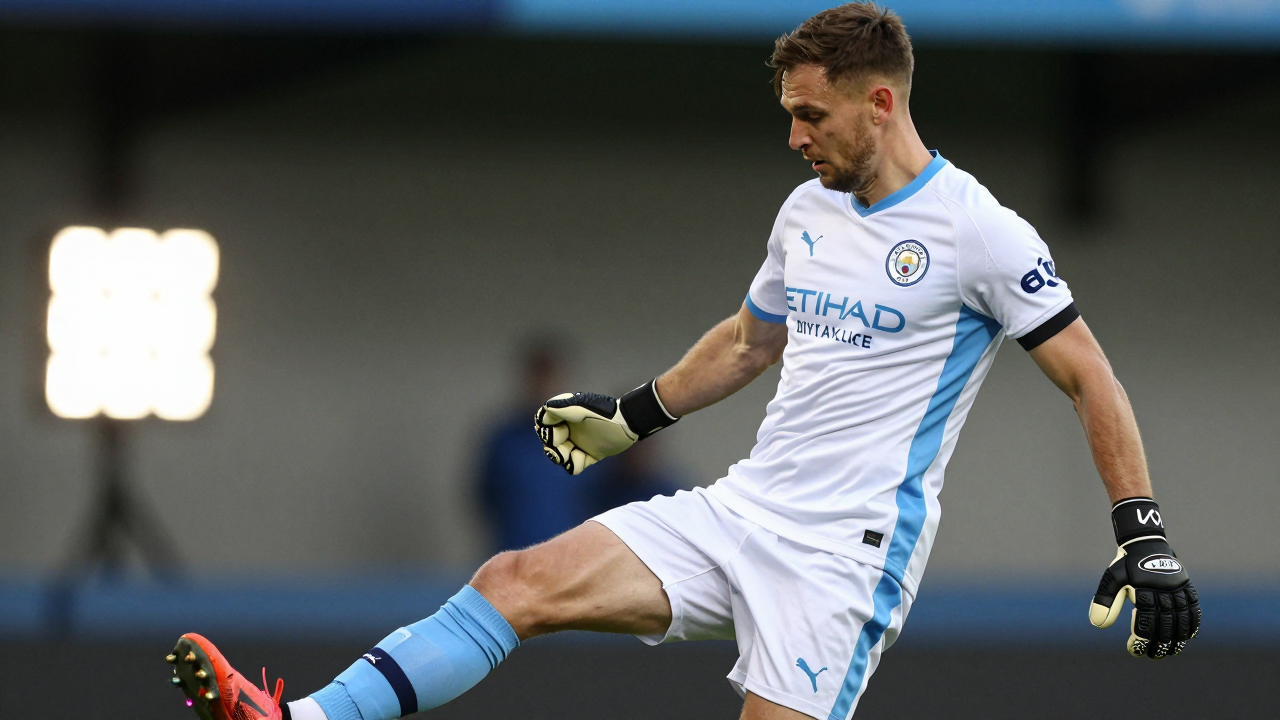
As Cambridge United continues to work through a challenging phase of the League Two season, tactical adjustments could be the key to unlocking their potential. The U's have shown moments of brilliance, but inconsistency has hampered their ability to secure crucial points. A detailed analysis of their recent performances suggests that tweaking their tactical approach could lead to more favorable outcomes.
Current Formation and Tactical Setup
Under the guidance of their coaching staff, Cambridge United has generally employed a 4-2-3-1 formation, providing a solid base while allowing for attacking creativity. However, recent matches have highlighted a few tactical inefficiencies, particularly in transition phases and defensive organization. The midfield has occasionally appeared disjointed, leading to gaps that opposing teams have exploited.
Enhancing Midfield Cohesion
One area that warrants attention is the midfield's structure. Currently, the two deeper midfielders are tasked with both breaking up opposition play and initiating attacks. To improve cohesion, a slight shift to a 4-3-3 formation could be beneficial. This would allow for an additional midfielder who can link play effectively and provide better support to both the defence and the attack. By having a more dynamic midfield trio, Cambridge can retain possession more effectively and counter the opposition's pressing.
Defensive Adjustments
Defensively, while the back four has shown resilience at times, the communication and anticipation between the centre-backs and full-backs need refinement. The introduction of a more active defensive midfielder, capable of dropping back into the backline when under pressure, could help mitigate the risk of being caught out during counter-attacks. This player could also serve as a conduit for quick transitions from defence to attack, thus enhancing the team's overall fluidity.
Emphasizing Width in Attack
Offensively, the U's have shown a tendency to play through the middle, which can lead to congestion in key areas. Encouraging the wide players to hug the touchline could stretch opposing defences, creating more space for central players to operate. This tactical tweak can be particularly effective against teams that defend compactly, allowing for greater opportunities to exploit the flanks and create goal-scoring chances.
Pressing with Purpose
Moreover, the pressing strategy employed by Cambridge has often been reactive rather than proactive. By adopting a more coordinated pressing system, with forwards and midfielders working in unison, the U's can disrupt opposition build-up play more effectively. This requires clear communication and understanding among players to ensure that pressing triggers are recognized and acted upon promptly.
Conclusion
In summary, Cambridge United's recent form highlights the need for tactical tweaks that could significantly enhance their performances. By focusing on midfield cohesion, defensive organization, width in attack, and a more purposeful pressing strategy, the U's can not only improve their results but also provide their passionate supporters with a more exciting brand of football. As the team looks to climb the League Two table, these adjustments could make all the difference in their quest for success.