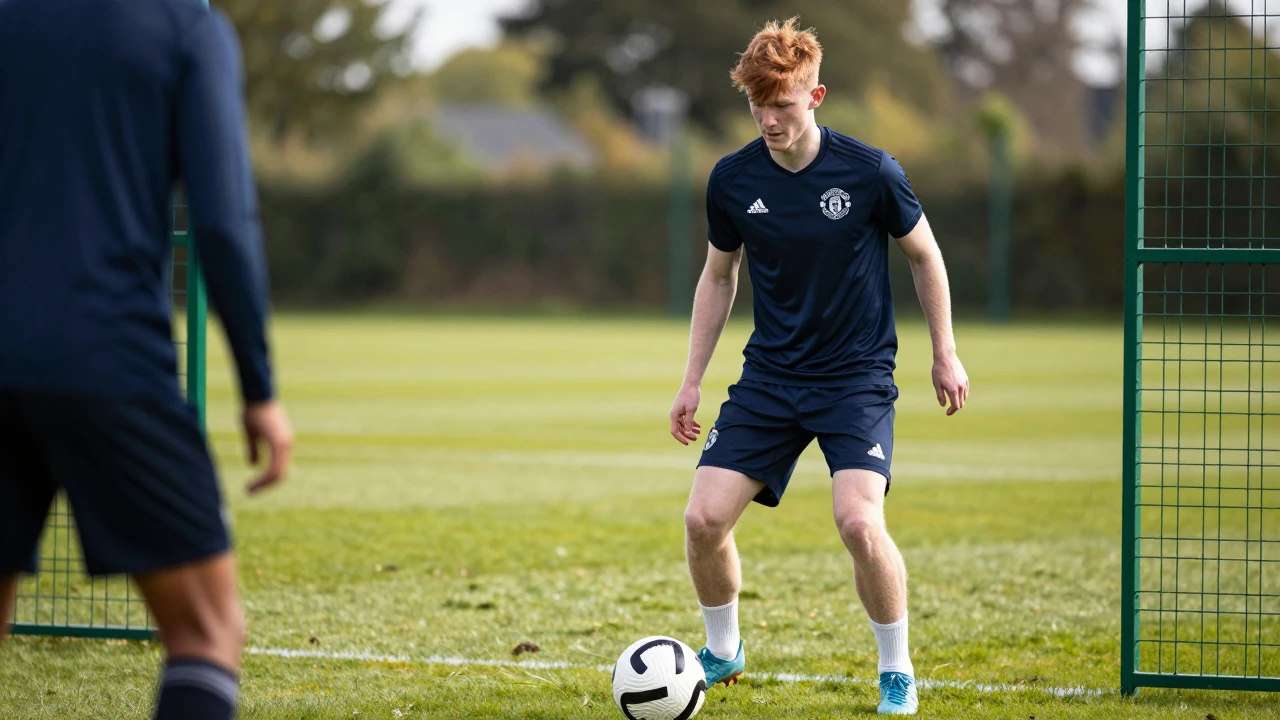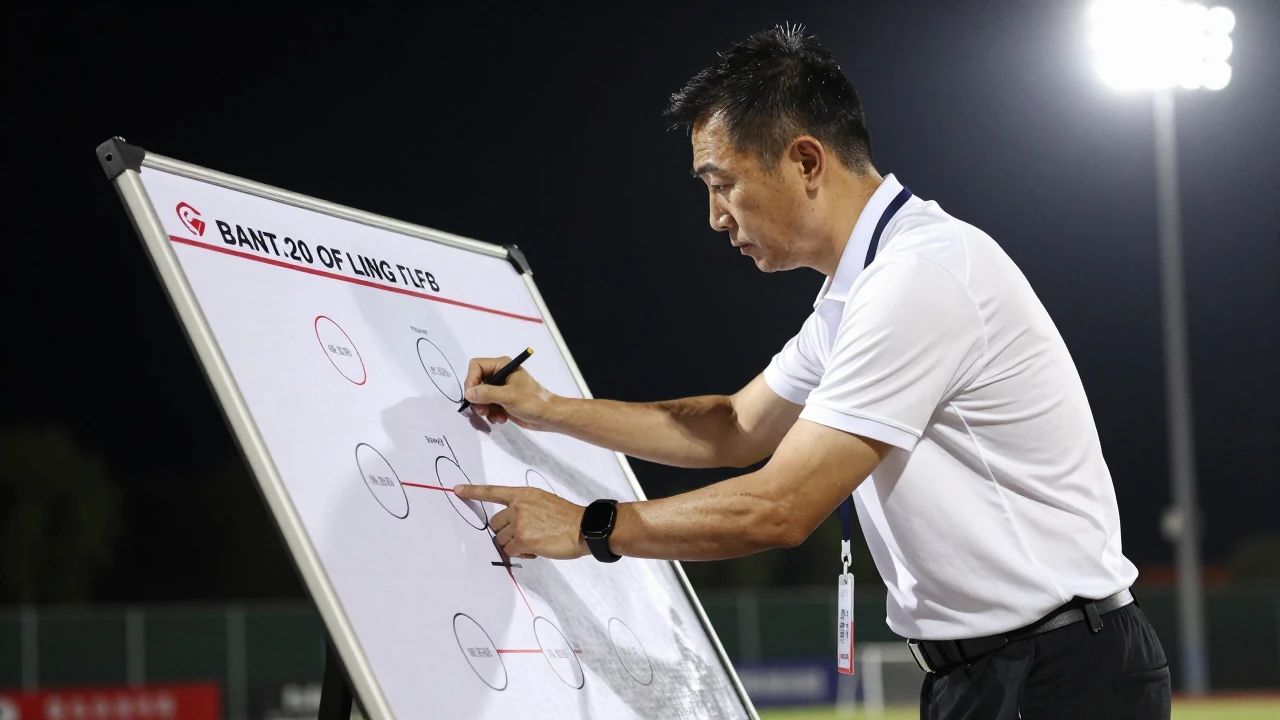

As Cambridge United navigates the challenges of League Two, recent matches have shown that while the team possesses a commendable work ethic, there are tactical adjustments that can be made to elevate their performance, particularly in the midfield.
In recent fixtures, the midfield has been a mixed bag, showcasing commendable defensive efforts but lacking in creative output. The current formation, often a 4-2-3-1, has served well in terms of solidity; however, tweaking the roles of the central midfielders could reap significant rewards. Currently, the two holding midfielders, tasked with breaking up opposition play, are sometimes too reactive, leading to transitions where the team lacks the necessary support in attack.
One suggested tweak would be to encourage one of the holding midfielders, perhaps D. Ball, to take on a more advanced role, transitioning into a box-to-box midfielder. This adjustment would not only enable him to contribute to the attack but also create overloads in the final third. The increased presence in attacking phases would allow for more fluidity and give the forwards, including J. Brophy and E. Kachunga, the support they need to exploit defensive weaknesses. Additionally, this would require the other holding midfielder to drop deeper, forming a pivot that could control the pace of the game, allowing for a more structured approach to possession.
Furthermore, the positioning of wingers could also be reconsidered. While the current strategy has seen them maintain width, a more inward approach could help in creating space for overlapping full-backs. This could lead to more dynamic attacks, as the wingers cut inside to shoot or link up with the strikers, while the full-backs provide width and depth on the flanks. This type of play would be particularly effective against teams that sit deep, as it can pull defenders out of position and create gaps to exploit.
Another area to explore is the pressing strategy employed by Cambridge United. In their last few outings, the team has shown glimpses of effective high pressing but has often failed to sustain it throughout the match. By refining the timing and coordination of their pressing triggers, The U's could force more errors from the opposition, leading to quick transition opportunities. This requires a cohesive understanding among the players; therefore, focused training sessions that emphasize this approach could enhance their overall effectiveness.
Finally, set pieces remain an underutilized aspect of Cambridge United’s game. The U's possess several tall, athletic players who can be a threat from corners and free-kicks. A dedicated focus on set-piece routines, tailored to exploit the weaknesses of upcoming opponents, could yield valuable goals throughout the season. By integrating tactical variations, such as short corners or rehearsed movements for free-kicks, The U's could significantly improve their scoring opportunities from dead-ball situations.
In conclusion, while Cambridge United has shown resilience on the pitch, there are several tactical tweaks that can enhance their midfield dynamics and overall play. By encouraging more advanced roles for midfielders, adjusting winger positioning, refining pressing strategies, and maximizing set-piece potential, The U's can bolster their chances of climbing the League Two table. These changes, while seemingly subtle, could provide the spark needed for a more cohesive and attacking style of football.